This is a Website about some of my Favorite Things
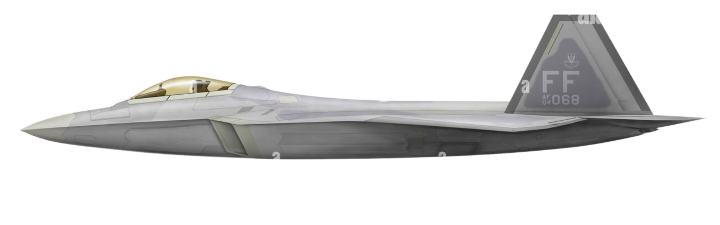
F-22 Raptor

The F-22 Raptor, a remarkable fifth-generation tactical fighter aircraft developed by Lockheed Martin for the
United States Air Force (USAF), represents a pinnacle of technological achievement in the realm of military
aviation. Since its introduction into service in 2005, the F-22 has continually demonstrated its superiority
in terms of air dominance, thanks to its array of exceptional features and advantages.
One of the most striking characteristics of the F-22 is its stealth and low observable design. Its shape and
specially formulated coatings render it nearly invisible to enemy radar systems, granting it a remarkable
level of invisibility on the battlefield. This ability to avoid detection is further enhanced by the
Raptor's reduced infrared signatures, making it exceedingly challenging for heat-seeking missiles to lock
onto their target.
The F-22's supercruise capability is another distinguishing feature. It can sustain supersonic speeds without
using afterburners, a capacity that not only grants it a substantial speed advantage but also improves its
fuel efficiency. This is an essential attribute for maintaining extended combat operations.
Advanced avionics play a pivotal role in the F-22's capabilities. Its AN/APG-77 AESA radar is among the best
in the world, providing the pilot with exceptional situational awareness and target tracking. The F-22's
avionics suite allows for sensor fusion, consolidating data from multiple sources to generate a
comprehensive and up-to-date battlefield picture, which is critical for making informed decisions during
combat.
Maneuverability is yet another forte of the F-22. It boasts high agility, enabling it to perform extreme
maneuvers with grace and precision. This agility is a fundamental asset in air-to-air combat, allowing the
F-22 to outmaneuver and outperform its adversaries.
The F-22's speed and altitude capabilities are also exceptional. It can reach speeds exceeding Mach 2 and
operate at altitudes exceeding 65,000 feet, providing a tactical advantage in various mission scenarios.
These capabilities allow it to strike quickly and evade threats effectively.
The F-22's internal weapons bays contribute to its stealth and low observability. It carries its munitions
internally, reducing its radar cross-section and preserving its stealth characteristics. The aircraft can
carry a combination of air-to-air and air-to-ground weapons, including AIM-120 AMRAAM, AIM-9 Sidewinder, and
JDAM munitions.
In addition to its primary role of air superiority, the F-22 is a versatile multirole aircraft. It can
perform ground attack, electronic warfare, and signals intelligence missions, making it a valuable asset in
a wide range of scenarios.
The F-22 is equipped with advanced countermeasures to protect itself from enemy threats, including
radar-guided missiles. This means it can not only engage and destroy hostile aircraft but also defend itself
effectively, adding another layer of survivability to its arsenal.
Communication is a critical aspect of modern warfare, and the F-22 excels in this regard. It features secure
communication capabilities, allowing it to share real-time information with other friendly assets and
command centers. This enables effective coordination and enhances its overall mission effectiveness.
This text was generated by ChatGPT
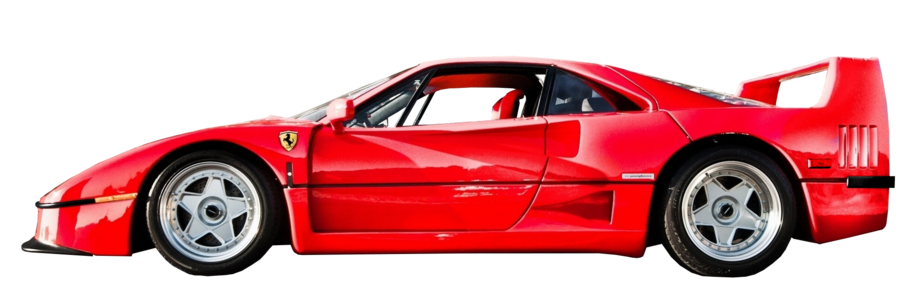
Ferrari F40

The Ferrari F40 is an iconic supercar that gained legendary status in the automotive world since its
introduction in 1987. Created to celebrate Ferrari's 40th anniversary, the F40 was designed to be the
ultimate road-legal sports car of its time. It featured a striking design characterized by aggressive
aerodynamics, sharp lines, and a focus on lightweight construction.
Under the hood, the F40 was powered by a 2.9-liter twin-turbocharged V8 engine that produced a remarkable 471
horsepower. This engine was mated to a five-speed manual transmission, and the car featured rear-wheel
drive. With a top speed of around 201 mph and a 0-60 mph time of just 3.8 seconds, the F40 was one of the
fastest production cars of its era.
The F40's performance was matched by its minimalist interior. The cabin was spartan and focused on the
driving experience, with lightweight materials and little in the way of luxury features. The car was known
for its distinctive exposed gear linkage and the absence of power-assisted steering, which contributed to
its pure, raw driving experience.
A key aspect of the F40's appeal was its lightweight construction. The body was made primarily of composite
materials and featured a tubular steel frame, resulting in a curb weight of just over 2,400 pounds. This
lightness, combined with the powerful engine, made the F40 incredibly agile and responsive on the road.
The F40's handling and aerodynamics were also highly advanced for its time. It featured a large rear spoiler
and underbody aerodynamics that helped generate downforce, ensuring stability at high speeds. The suspension
was tuned for sharp, precise handling, and it featured adjustable settings to cater to the driver's
preferences.
With a limited production run of approximately 1,311 units, the Ferrari F40 has become a highly sought-after
collector's car. Its exclusivity, historical significance, and timeless design have made it a prized
possession among enthusiasts and collectors. The F40's performance and status as a true automotive icon have
cemented its place in the pantheon of legendary supercars, ensuring its enduring appeal for generations to
come.
This text was generated by ChatGPT
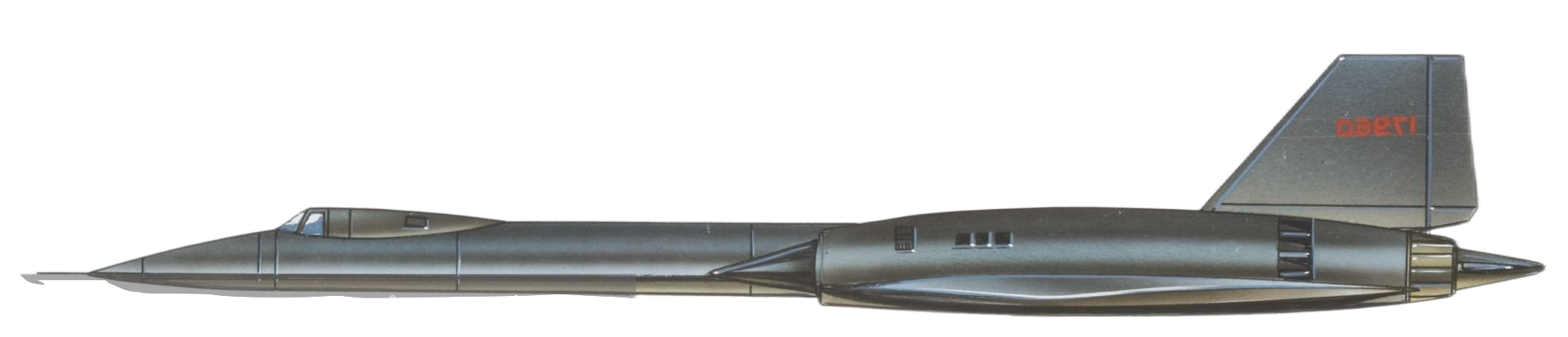
SR-71 BlackBird
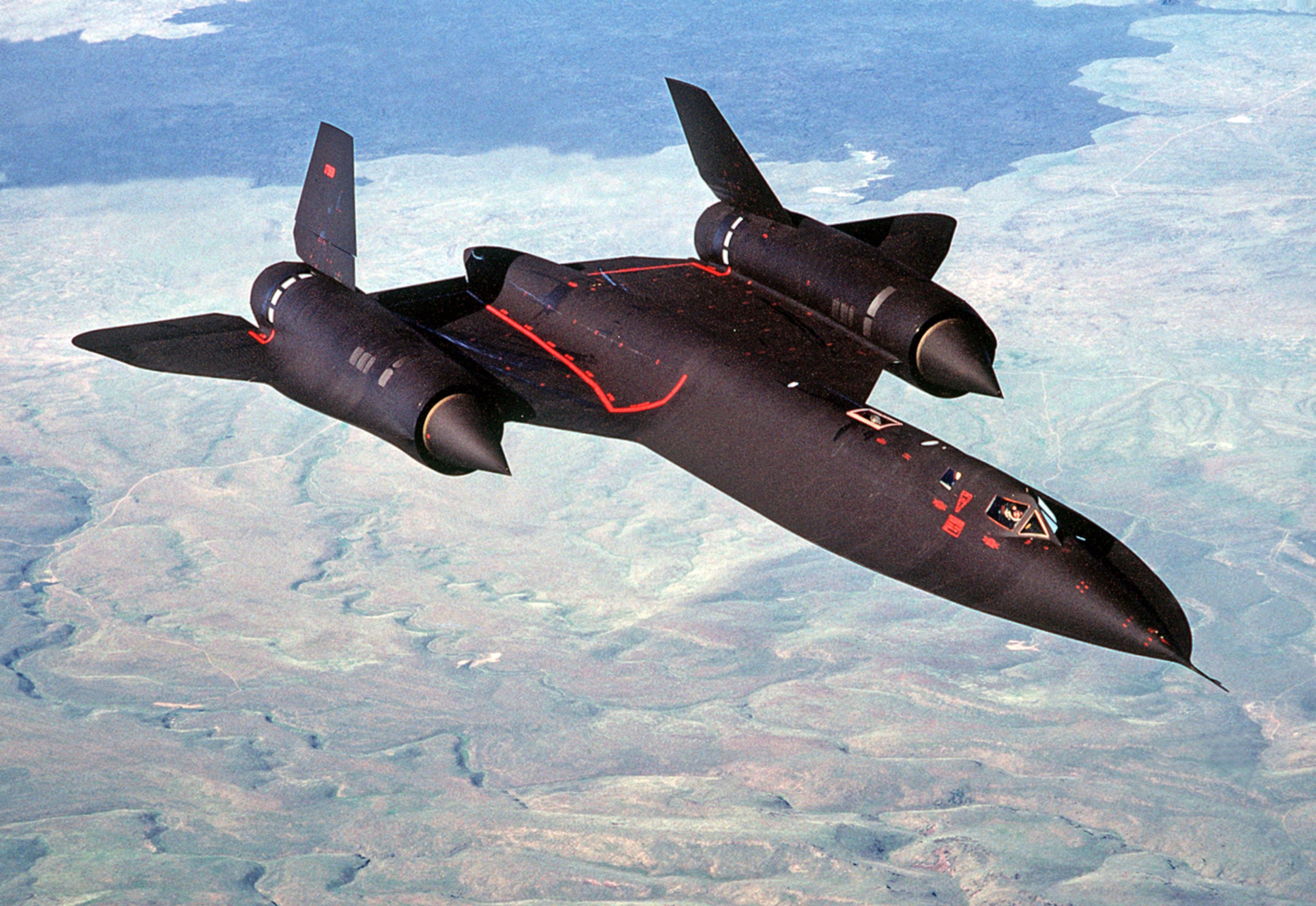
The SR-71 Blackbird, an iconic reconnaissance aircraft, stands as a symbol of cutting-edge aviation
technology and innovation. Developed by Lockheed's Skunk Works division in the 1960s, the SR-71 is a marvel
of engineering that pushed the boundaries of aeronautical design.
One of the most remarkable features of the SR-71 is its incredible speed. It can fly at sustained speeds
exceeding Mach 3, which is more than three times the speed of sound. This exceptional velocity allowed the
aircraft to outrun and evade enemy missiles and fighters, making it nearly invulnerable during
reconnaissance missions.
The SR-71's distinctive design is another standout feature. It has a slender fuselage and a long, needle-like
nose, with its twin engines positioned above the wings. The aircraft's shape is optimized for high-speed
flight and minimal radar cross-section, contributing to its legendary stealth capabilities.
Stealth is a defining characteristic of the SR-71. The aircraft's radar-absorbing materials and design
minimize its radar signature, making it exceptionally difficult for adversaries to detect and track. This
made it a highly effective reconnaissance platform during the Cold War.
The Blackbird's operational altitude is equally impressive. It can soar to altitudes of over 85,000 feet,
well into the stratosphere. Flying at such extreme altitudes not only provided a strategic advantage but
also allowed the aircraft to capture detailed intelligence images from great distances.
The SR-71's powerplant, two Pratt & Whitney J58 turbojet engines, is a technological marvel. These engines
can operate at supersonic speeds and are equipped with afterburners to achieve and sustain the aircraft's
extraordinary velocity. The SR-71's speed and altitude capabilities are unmatched to this day.
The SR-71 Blackbird holds several speed and altitude records, setting the bar for high-performance aircraft.
Its legacy lives on as a testament to the innovation and engineering prowess of the aviation industry,
leaving an indelible mark on the history of military and aerospace technology.
This text was generated by ChatGPT
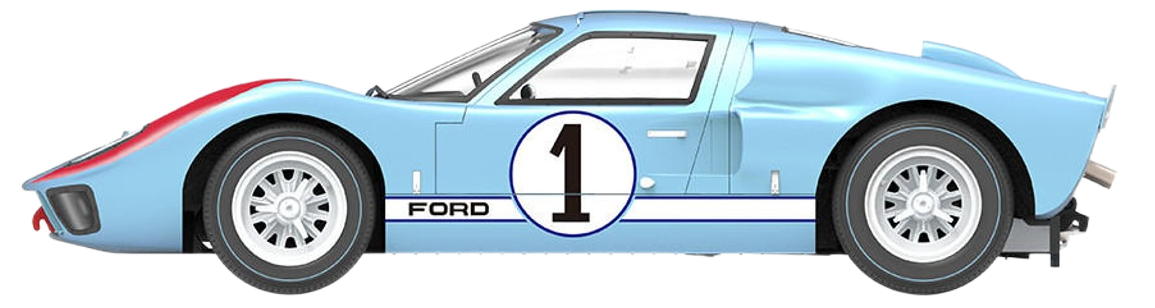
Ford GT40 Mk II
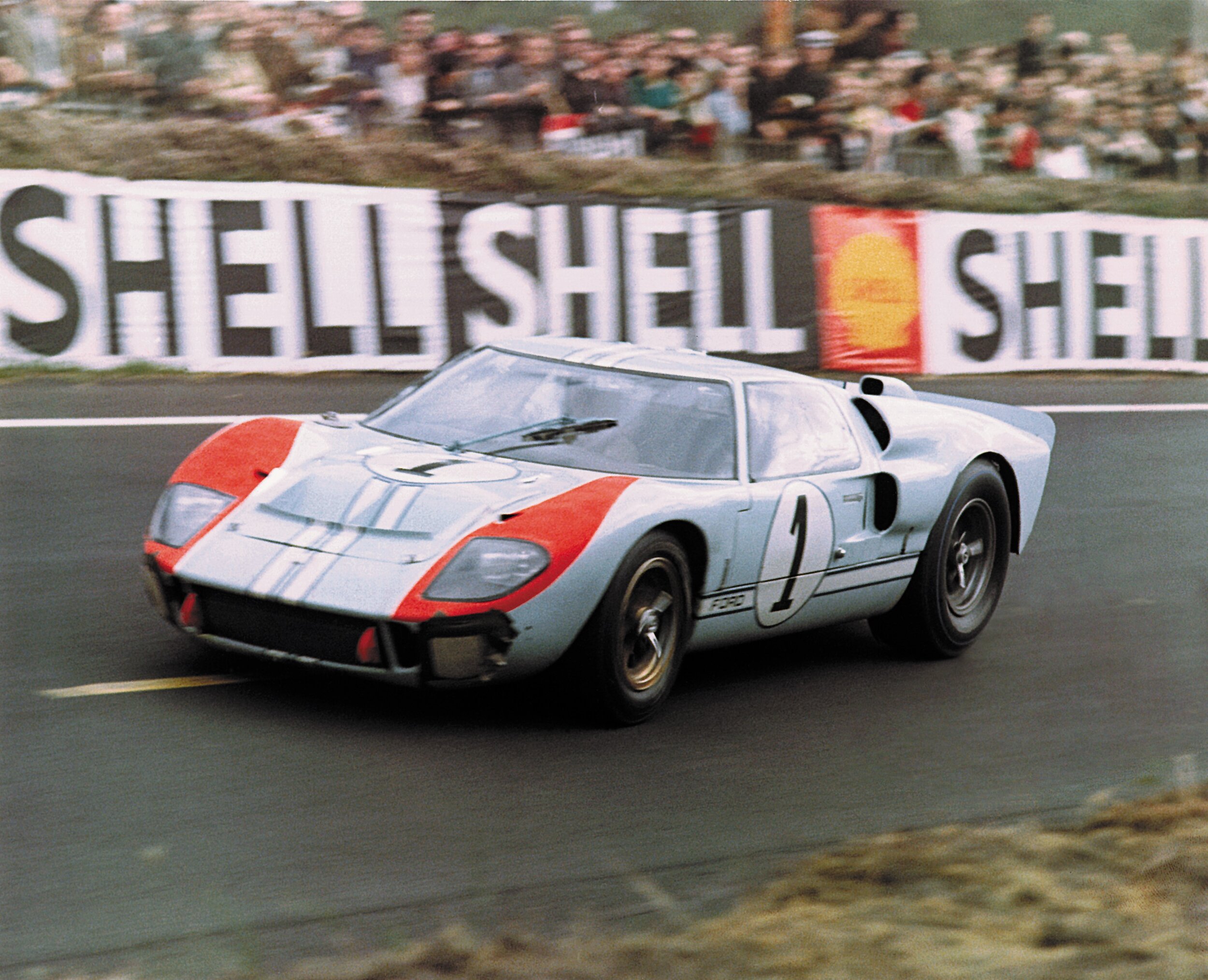
The Ford GT40 Mk II is an icon in the world of automotive racing, with a legacy that transcends time. Born
out of Henry Ford II's desire to beat Ferrari at the 24 Hours of Le Mans, the GT40 Mk II was the result of
meticulous engineering and a burning competitive spirit. Introduced in 1966, it became an instant legend
with its sleek design and powerful performance.
At the heart of the GT40 Mk II was its robust 7.0-liter V8 engine, delivering an impressive 485 horsepower.
This powerhouse was coupled with advanced aerodynamics, making the GT40 Mk II a force to be reckoned with on
the racetrack. Its low-slung profile and distinctive shape were not just for show; they were carefully
crafted to maximize speed and efficiency, allowing the GT40 Mk II to slice through the air with minimal
resistance.
The GT40 Mk II's defining moment came in 1966 when it secured a historic 1-2-3 victory at the 24 Hours of Le
Mans, breaking Ferrari's dominance in the endurance race. The cars, driven by Bruce McLaren and Chris Amon,
Ken Miles and Denny Hulme, and Ronnie Bucknum and Dick Hutcherson, crossed the finish line in a synchronized
display of Ford's engineering prowess. This triumph marked the culmination of years of effort and
determination to establish Ford as a dominant force in international motorsports.
Beyond its racing success, the GT40 Mk II's influence extended to the broader automotive industry, inspiring
a generation of sports cars. Its performance on the track and distinctive design elements have left an
indelible mark, and the GT40 Mk II continues to be celebrated as a symbol of American ingenuity and
engineering excellence.
In recent years, Ford paid homage to its racing heritage by reintroducing the GT, a modern reinterpretation
of the iconic GT40. The new GT retained the spirit of its predecessor while incorporating cutting-edge
technology and design, ensuring that the legacy of the GT40 Mk II lives on in the 21st century.
The GT40 Mk II remains a collector's dream, with its historic significance and limited production numbers
adding to its allure. Enthusiasts and historians alike recognize its pivotal role in shaping the landscape
of motorsports, and its timeless design ensures that it will be remembered as more than just a car—it's a
symbol of determination, innovation, and the pursuit of victory on the world's most challenging racecourses.
This text was generated by ChatGPT
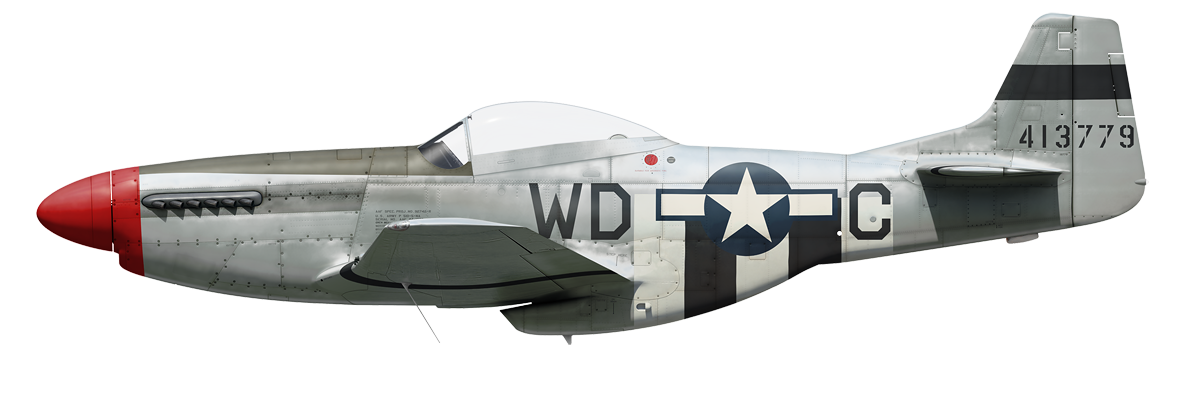
P-51D Mustang
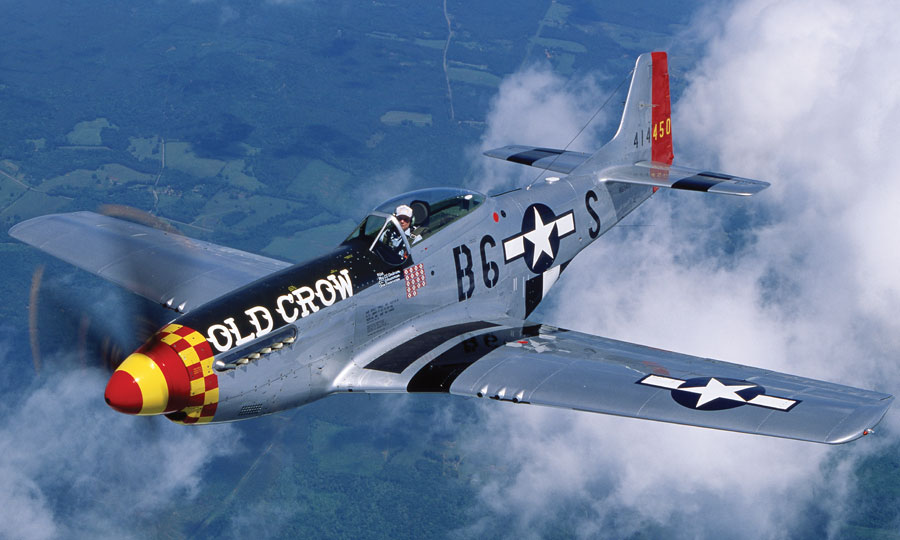
The P-51D Mustang stands as one of the most iconic and revered fighter aircraft of World War II. Developed by
North American Aviation, the Mustang played a pivotal role in the success of the Allied forces, particularly
the United States, during the latter stages of the conflict. Introduced in 1944, the P-51D variant
represented a significant advancement over its predecessors, incorporating various design improvements that
enhanced its performance and combat capabilities.
At the heart of the P-51D's success was its Rolls-Royce Merlin engine, a British design that significantly
boosted the aircraft's speed and altitude capabilities. With a top speed exceeding 440 mph and a service
ceiling of over 41,000 feet, the Mustang could outperform many of its adversaries, establishing air
superiority over the European and Pacific theaters. This high-altitude capability was a game-changer, as it
allowed the P-51D to effectively escort Allied bombers on long-range missions deep into enemy territory.
One of the distinctive features of the P-51D was its laminar flow wing design, which contributed to its
exceptional speed and maneuverability. The aircraft's clean lines and well-balanced aerodynamics made it a
formidable opponent in dogfights. Its long range was further enhanced by the addition of external fuel
tanks, allowing for extended missions and improved operational flexibility.
The P-51D earned a reputation not only for its speed and range but also for its firepower. Armed with six .50
caliber Browning M2 machine guns, the Mustang could deliver a devastating barrage to enemy aircraft. The
combination of speed, altitude, and firepower made the P-51D a lethal and versatile fighter, excelling in
various roles, including air superiority, ground attack, and reconnaissance.
One of the most celebrated aspects of the P-51D's history is its role in the long-range escort missions for
B-17 and B-24 bombers. The Mustang's ability to accompany bombers deep into enemy territory and protect them
from Luftwaffe interceptors played a crucial role in turning the tide of the air war in favor of the Allies.
The Mustang's contributions to the success of daylight bombing raids were instrumental in the strategic air
campaign against Nazi Germany.
Post-World War II, the P-51D continued to serve in various air forces around the world, showcasing its
adaptability and enduring design. Its legacy extends beyond its wartime accomplishments, as the Mustang
became a symbol of aviation excellence and a beloved classic among aviation enthusiasts. The P-51D Mustang
remains an enduring icon, representing the pinnacle of World War II fighter aircraft design and a testament
to the engineering ingenuity of its time.
This text was generated by ChatGPT